Relay Coordination Studies
Optimizing Power System Reliability through Protective Relay Coordination
In power system networks, protection systems must be designed so that protective relays isolate the faulted section of the network, preventing equipment damage, safeguarding personnel, and minimizing system disruption—thereby ensuring continuity of service to the unaffected portions of the network.
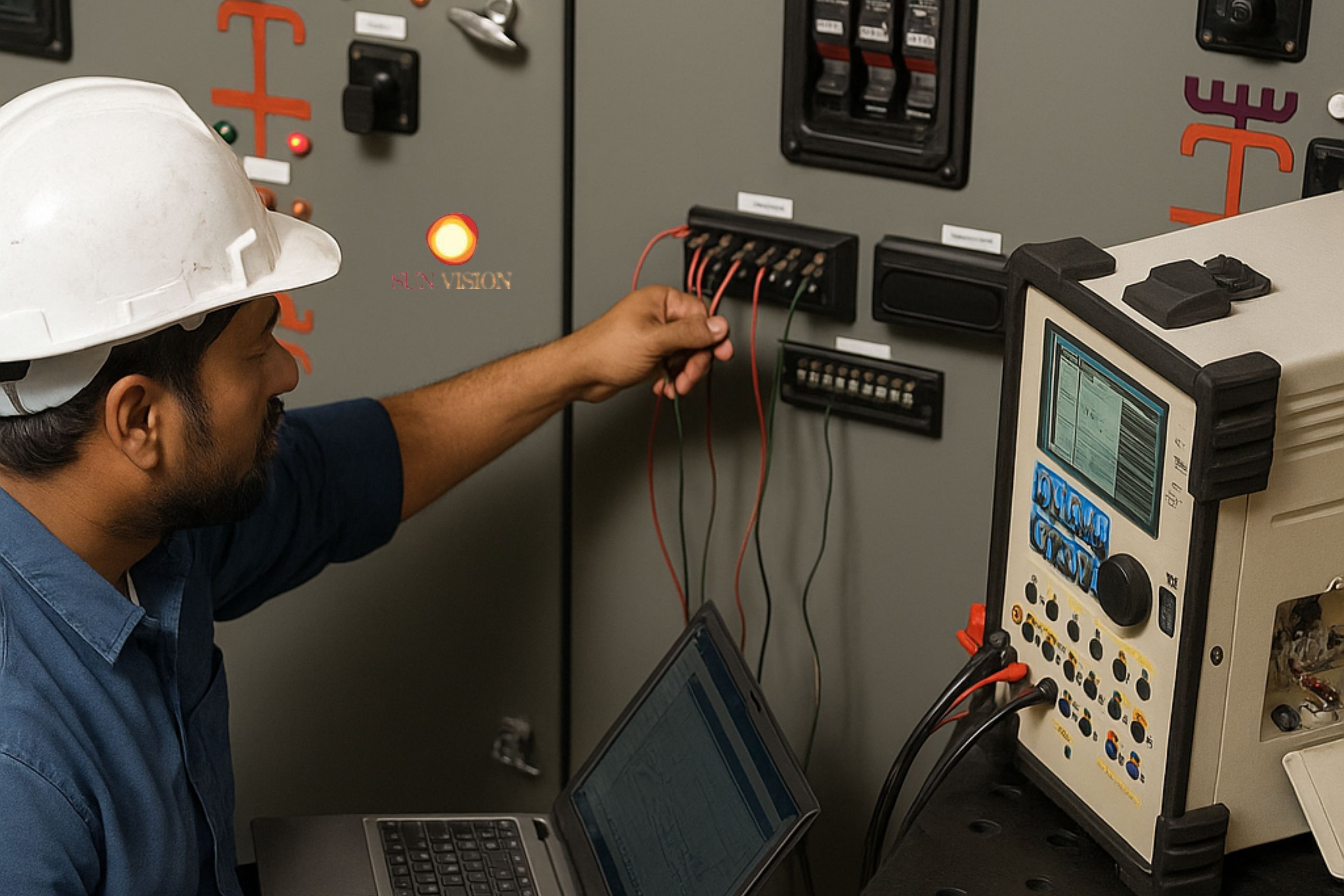
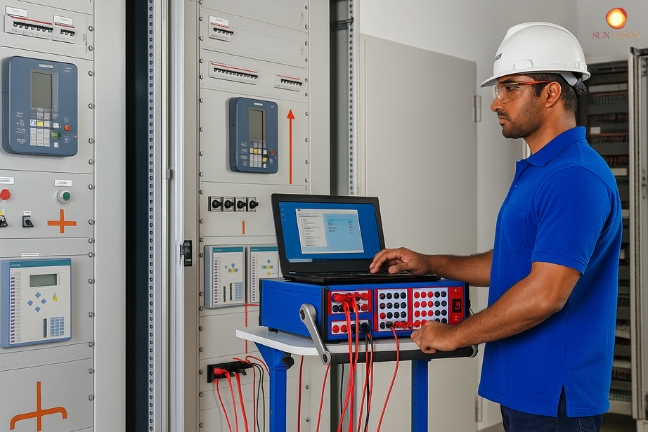
Relay coordination is employed to ensure accurate fault identification and a proper fault clearance sequence. Protective relays must be capable of distinguishing normal operating currents—including short-duration overcurrents caused by routine operations such as motor starting or transformer inrush—from actual fault conditions.
and sustained overcurrents caused by fault conditions. During such faults, the relays must operate rapidly to isolate only the faulted section of the network, allowing the healthy circuits to continue operating without interruption.
Frequently Asked Questions
1. What is a Relay Coordination Study, and why is it necessary?
A. A Relay Coordination Study is an engineering analysis that ensures protective devices (relays, breakers, and fuses) operate in a predetermined sequence. It is necessary to isolate only the faulted portion of an electrical network, preventing "nuisance tripping" where a small local fault causes a total facility blackout.
2. How often should a coordination study be updated?
A. Industry standards (such as NFPA 70E) recommend reviewing these studies every five years. However, you should conduct a new study immediately if you add new large loads, change your utility source, or replace major electrical equipment like transformers or switchgear.
3. What software does Sunvision use for these studies?
A. We utilize industry-leading power system simulation software, including ETAP, SKM PowerTools, and DIgSILENT PowerFactory. Using these tools allows us to create highly accurate digital twins of your electrical network and generate precise Time-Current Characteristic (TCC) curves.
4. How does relay coordination improve electrical safety?
A. By optimizing the speed at which a relay trips, we can often reduce the Arc Flash Incident Energy at specific points in your system. Faster fault clearing times translate directly to increased safety for personnel and reduced risk of catastrophic equipment fire.
5. What standards do your studies comply with?
A. Our studies are performed in strict accordance with global engineering standards, including IEEE 242 (Buff Book), IEEE 399 (Brown Book), and local regulations such as NEC (National Electrical Code) and NFPA 70.
6. What information is required to start a study?
A. To begin, we typically require an up-to-date Single Line Diagram (SLD), data from your utility provider (available fault current), transformer ratings, cable lengths/sizes, and the current settings of your existing protective devices.