Lightning Arrestor Audit
Comprehensive Lightning Protection System (LPS) Audit & Risk Assessment Services
sWith the growing use of sensitive electrical equipment in workplaces, the need for protection against lightning hazards has become increasingly important. A lightning strike typically involves the discharge of static electricity-either within a cloud, between clouds, or between a cloud and the earth. Lightning arrester ratings are designed to handle these discharges, with typical lightning currents ranging from 20 kA to 200 kA.
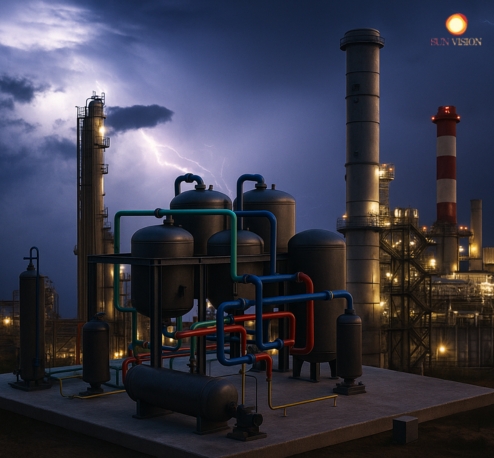
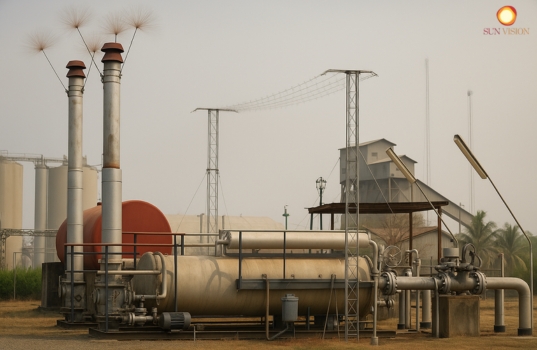
The thermal and electromechanical effects of lightning can significantly impact buildings, specific zones, and even human safety. Sensitive areas such as hospitals, schools, chemical plants, power stations, sites of national and international importance, and regions with high lightning flash density require robust protection measures. Government buildings, in particular, must be safeguarded to prevent loss of life and property.
A lightning protector/arrestor, also known as an air terminal, provides a safe path for lightning to discharge into designated earth pits or directly into the ground, thereby bypassing other conductive paths and structures. According to NFPA 70E, ensuring workplace safety is the responsibility of the facility owner or the concerned department. In this context, the employer must install an appropriate Lightning Protection System (LPS) to mitigate lightning-related risks and verify that the installed air terminations are adequate and proportionate to the required level of protection.
With extensive experience in Lightning Risk Assessment, Sunvision delivers detailed reports on Direct Stroke Lightning Protection Calculations and comprehensive Lightning Protection System (LPS) design assessments. These reports evaluate the adequacy of your facility’s lightning protection system in accordance with NFPA 780, IS 2309:1989, and IEC 62305-1 to 4, as well as Indian lightning arrester specifications. Our engineers conduct on-site visits to gather essential details such as building dimensions, construction materials, facility location, and type of structure. The assessment includes reviewing the condition of existing down conductors, the quality of insulation, and the earth pits dedicated to surge arrester safety. We also estimate the zone of protection and recommend suitable lightning protection measures tailored to your facility’s specific needs.
Get your Free cost estimate today