Modeling: generation/fitting of analytical
surfaces
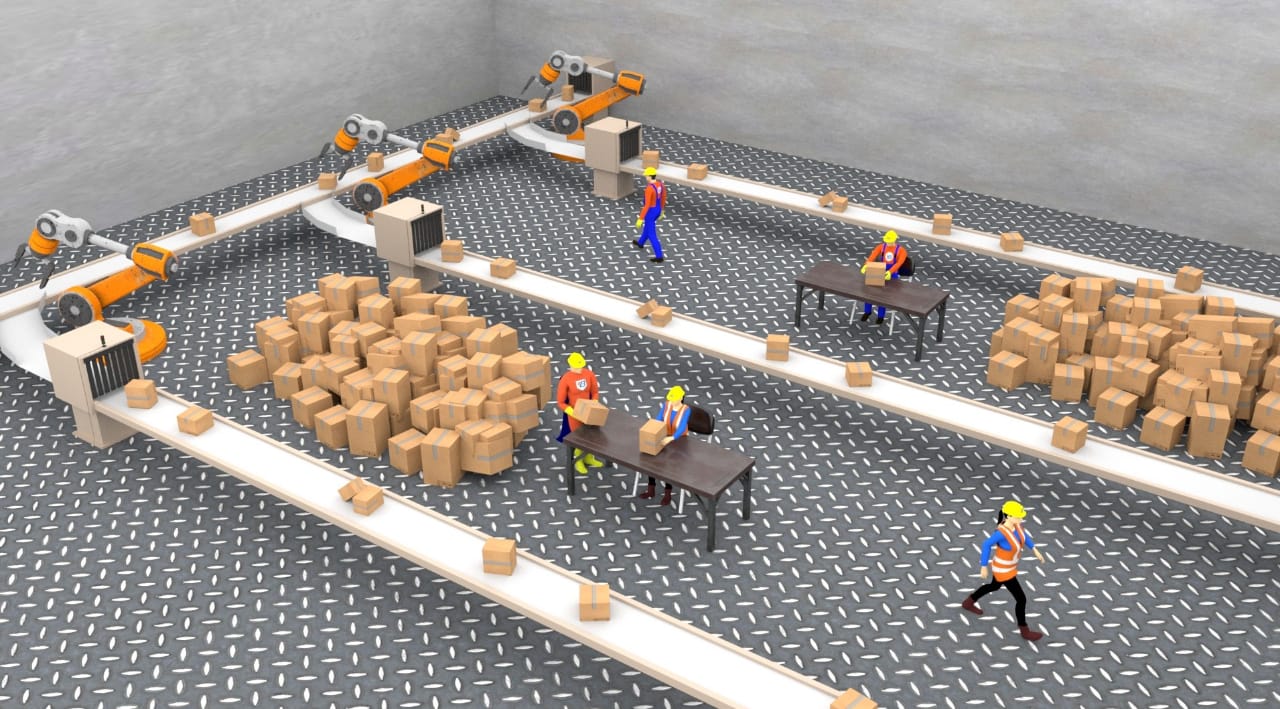
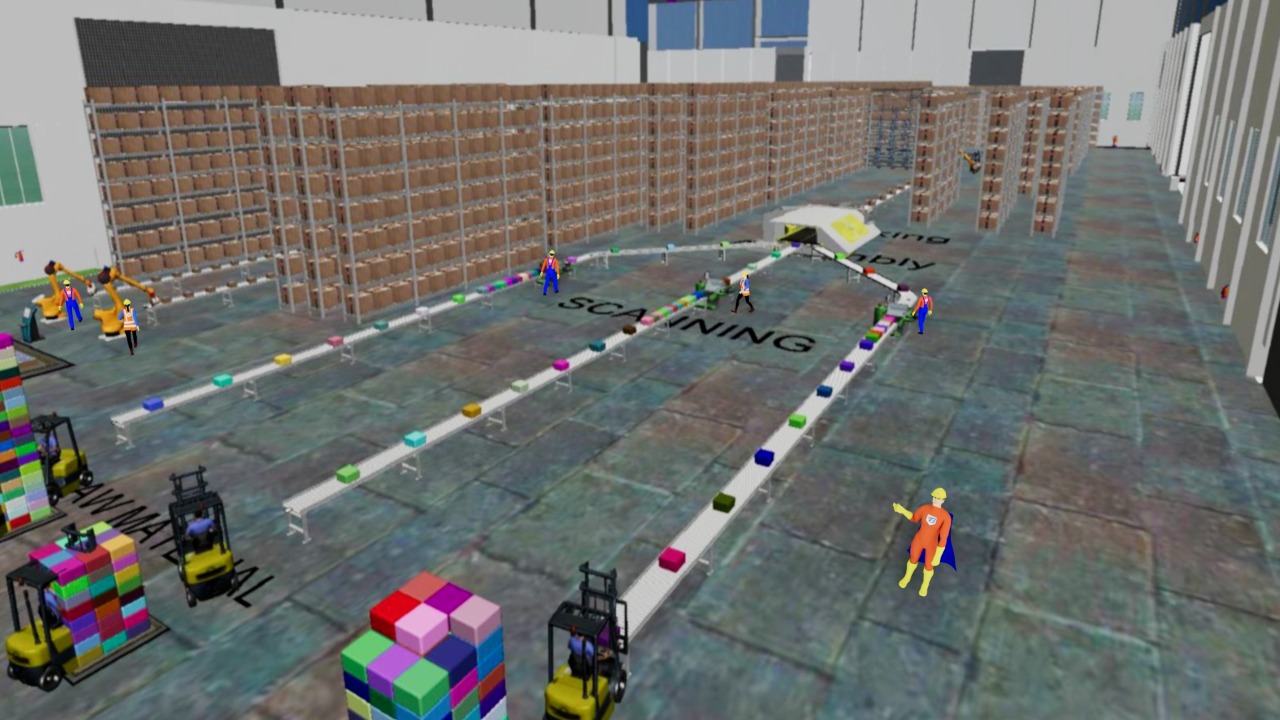
Using the available inputs, plant design in 3D begins by modeling based on both site data and our design concepts. The process starts with an updated layout containing accurate dimensions from the site or existing records. Pillar and wall data are then created to establish the basic structure. Once the overall structure is complete, internal equipment and available floor space are incorporated-either according to existing site conditions or planned design concepts. This process results in a complete 3D model with a basic process flow tailored to the project requirements.
With the final 3D model, a data simulation report is generated to analyze the production rate in line with the real-time production sequence. Using the available database, simulation results are visualized through a dashboard, enabling detailed analysis of all parameters based on the created process flow. These reports include key metrics such as output, required input, machine dwell time, total process time, and stay time, presented using pie charts and bar graphs for clarity. The final output provides accurate estimations and identifies major requirements, helping to reduce time and cost wastage while improving overall profitability.
Frequently Asked Questions
Q1: What is 3D Lean Manufacturing Simulation?
A: It is the process of creating a digital twin of a physical production line using advanced software like FlexSim. It allows manufacturers to test "what-if" scenarios, such as adding new machinery or changing layouts, in a virtual environment before making expensive physical changes.
Q2: How does 3D simulation help identify manufacturing bottlenecks?
A: Simulation provides a visual and data-driven view of machine states—identifying exactly when a machine is "starved" (waiting for parts) or "blocked" (waiting for the next process). By analyzing these states over a simulated work week, we can pinpoint the exact constraint in your production flow.
Q3: Can simulation help with warehouse and logistics optimization?
A: Yes. Beyond the assembly line, 3D simulation is used to optimize AGV (Automated Guided Vehicle) routes, warehouse racking layouts, and forklift traffic to reduce travel time and minimize congestion in high-traffic zones.
Q4: What data is required to build a Lean 3D model?
A: To create an accurate model, we typically need your current facility CAD layout, cycle times for each process, Mean Time Between Failures (MTBF), and shift schedules. The more accurate the data, the more precise the simulation results will be.
Q5: What is the ROI of a Lean Manufacturing simulation?
A: Most clients see a return on investment by avoiding "Trial and Error" on the shop floor. Simulation can reduce lead times by 15-30% and prevent the purchase of unnecessary equipment by proving that existing assets can be optimized through better scheduling.
Q6: Do you use FlexSim for your 3D models?
A: Yes, Sunvision utilizes industry-standard FlexSim software. This allows for high-fidelity 3D animation combined with powerful statistical analysis, making it easier for stakeholders to visualize the proposed changes.